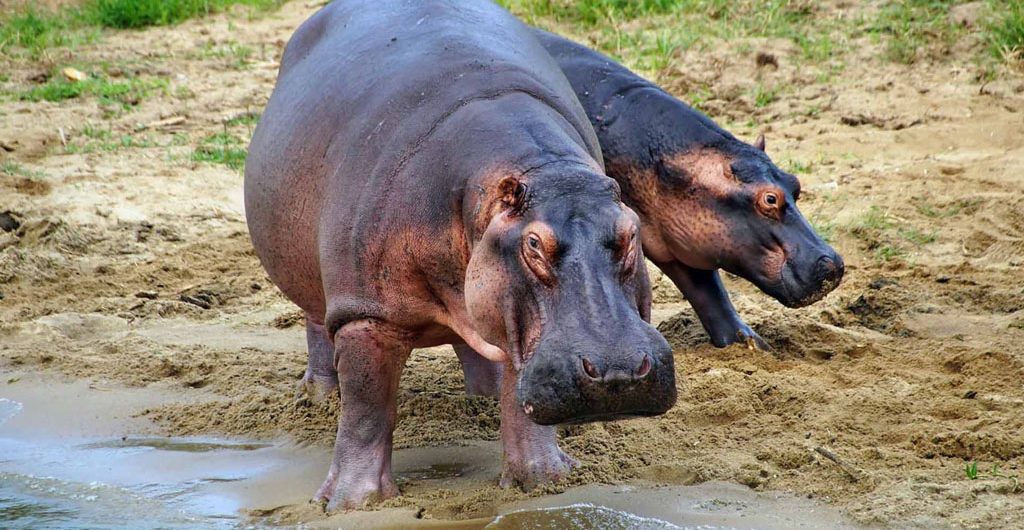
This is the largest of the ten national parks Uganda has and it covers an area of about 3,893 sq. kilometers. From Kampala to Murchison Falls it takes about 5-6 hours through Luweero via Nakasongola and Masindi District or through Kiboga via Hoima and Masindi. The park is one of the most spectacular parks in all of Africa. Its well known for its rolling savannah, wetland, as well as tropical forest and the stunning falls, the park has plenty of flora and fauna with over 70 mammal species, over 445 different species of birds, 250 species of butterflies, 10 of primate species and more than 450 species of plant.
+1 415 9751114
Always Open

Exciting East African Tours Blog
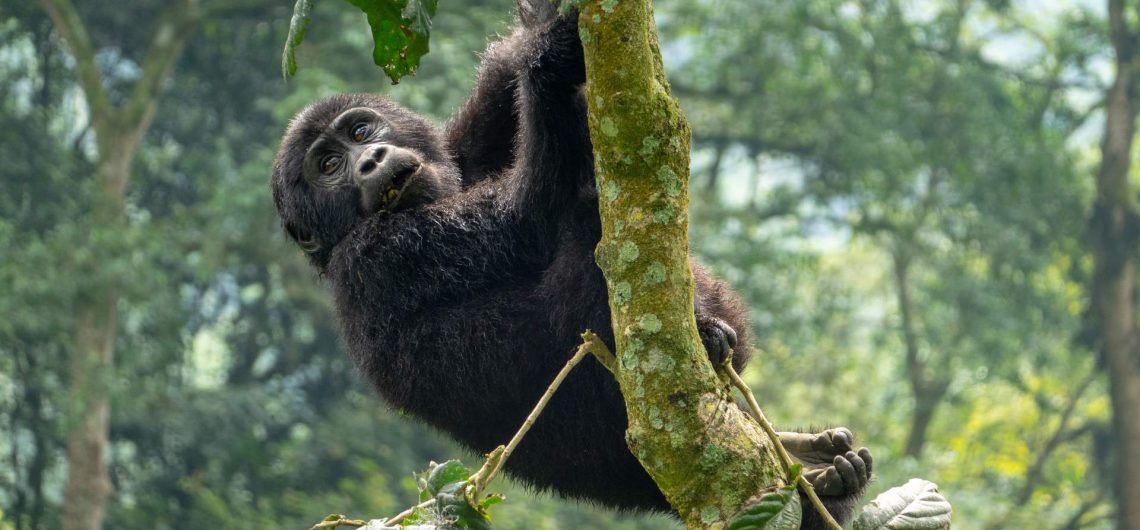
Bwindi Impenetrable National Park lies in southwestern Uganda on the edge of the Rift Valley. Its mist-covered hillsides are blanketed by one of Uganda’s oldest and most biologically diverse rainforests, which dates back over 25,000 years and contains almost 400 species of plants. This biologically diverse region also provides shelter to a further 120 mammals, including several primate species such as baboons and chimpanzees, as well as elephants and antelopes.
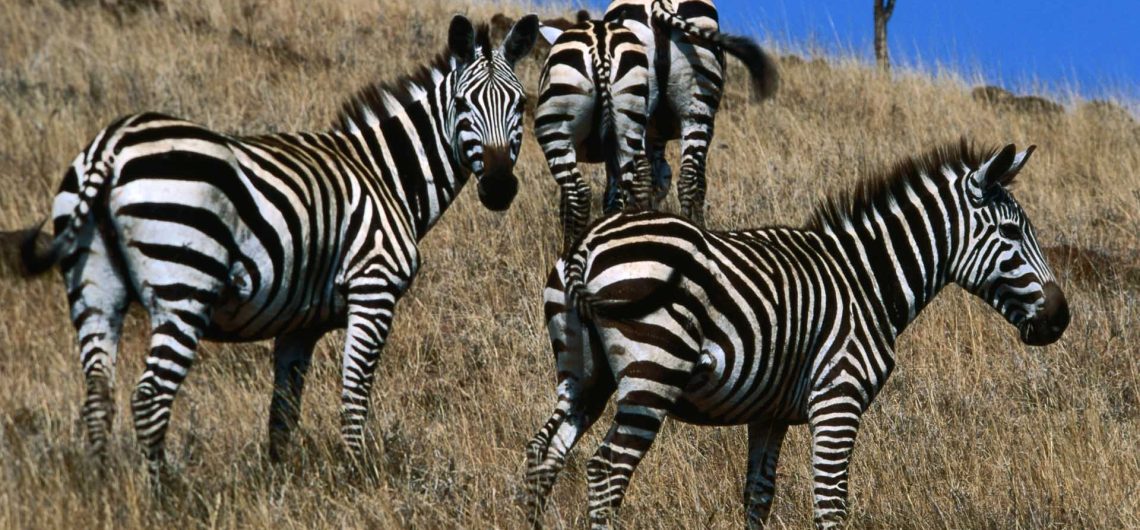
In addition to the stunning mountains & lakes, this park protects 84 species of unusual mammals including bushbuck, bushbig, Anabas baboon, velvet & colobus monkey, swayne’s hartebeast, bushel’s Zebra, African wild dog, greater kudu, gent eat, didk-dik jackal, crocodile and hippopotamus and many more! Moreover, there are 88 bird species to be spotted in the park. During a one day tour including a boat trip in one of the Rift Valley lakes, Lake Chamo a vast allay of wildlife can be seen living peacefully in their own habitats.
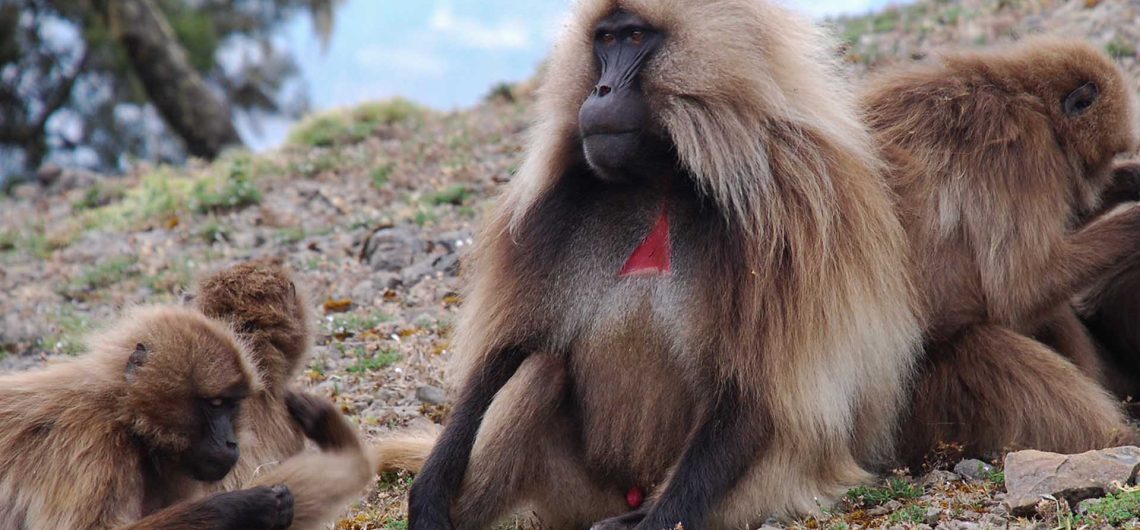
The Simien Mountains National Park in Northern Ethiopia is an exotic setting with unique wildlife and breath-taking views on a landscape shaped by nature and traditional agriculture. The natural beauties of this region have always filled visitors from Ethiopia and abroad with awe. Gentle highland ridges at altitudes above 3600 meters above sea level (m asl), covered with grasses, isolated trees (Erica &bored) and the bizarre Giant Lobelia (Lobelia rhynchopetalum) are found on the high plateau that ends abruptly at 1000- to 2000-m deep escarpments.
The margins of this high plateau consist of precipitous cliffs and deep, canyon-style gorges. In some places, the escarpment forms small elevations that offer splendid natal lookout points. The spectacular views from the observation points at Gidir Got and lmet Gogo in the center of the Park offer unparalleled panoramas along the high plateau and down to the lowland areas.
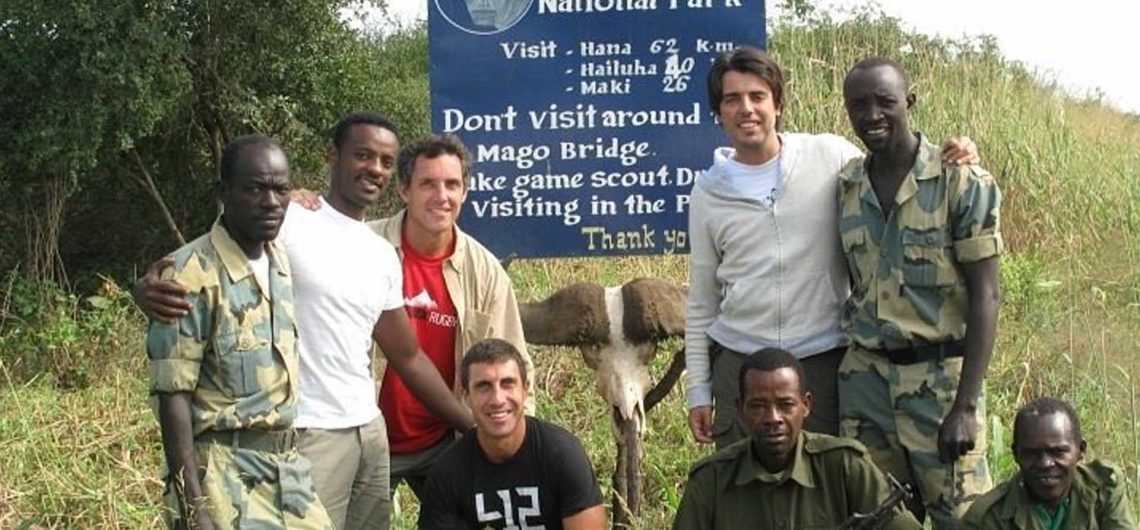
Mago National Park is one of the National Parks of Ethiopia. Located in the Southern Nations, Nationalities, and Peoples’ Region about 782 kilometers south of Addis Ababa and north of a large 90° bend in the Omo River, the 2162 square kilometers of this park are divided by the Mago River, a tributary of the Omo, into two parts.
To the west is the Tama Wildlife Reserve, with the Tama river defining the boundary between the two. To the south is the Murle Controlled Hunting Area, distinguished by Lake Dipa which stretches along the left side of the lower Omo. The park office is 115 kilometers north of Omorate and 26 kilometers southwest of Jinka. All roads to and from the park are unpaved.
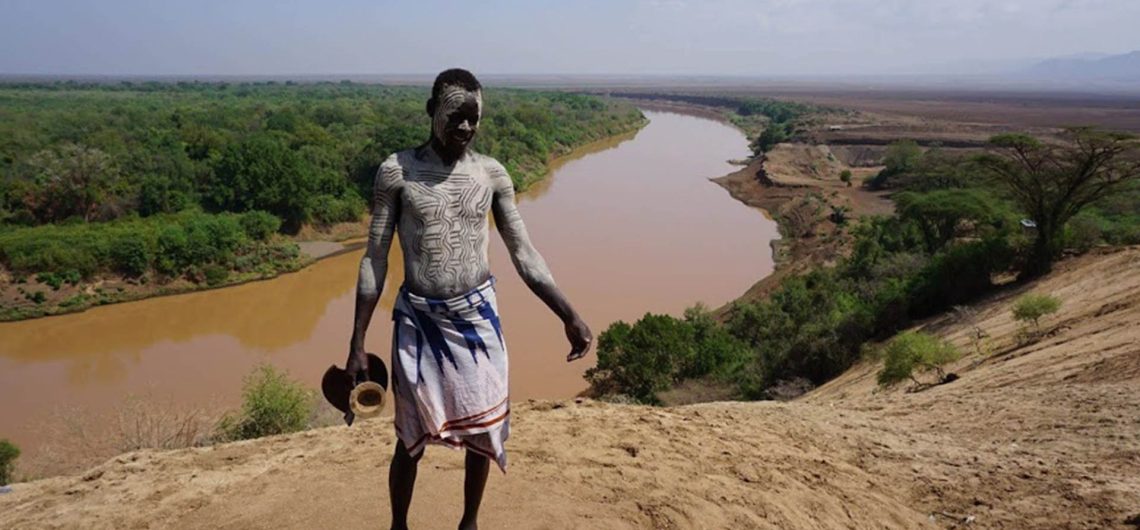
Omo National Park is one of the national parks of Ethiopia. Located in the Southern Nations, Nationalities, and Peoples’ Region on the west bank of the Omo River, the park covers approximately 4,068 square kilometers, about 870 kilometers southwest of Addis Ababa; across the Omo is the Mago National Park. Although an airstrip was recently built near the park headquarters on the Mui River, this park is not easily reachable; the Lonely Planet guide Ethiopia and Eritrea describes Omo National Park as “Ethiopia’s most remote park.”
It has long been one of the most remote parks in Ethiopia and travelling here can be incredibly tough – but never less than fascinating. Because there is virtually no tourist infrastructure within the park, you will need to be totally self-sufficient with your own food, camping gear and a reliable, fully-equipped 4WD vehicle.
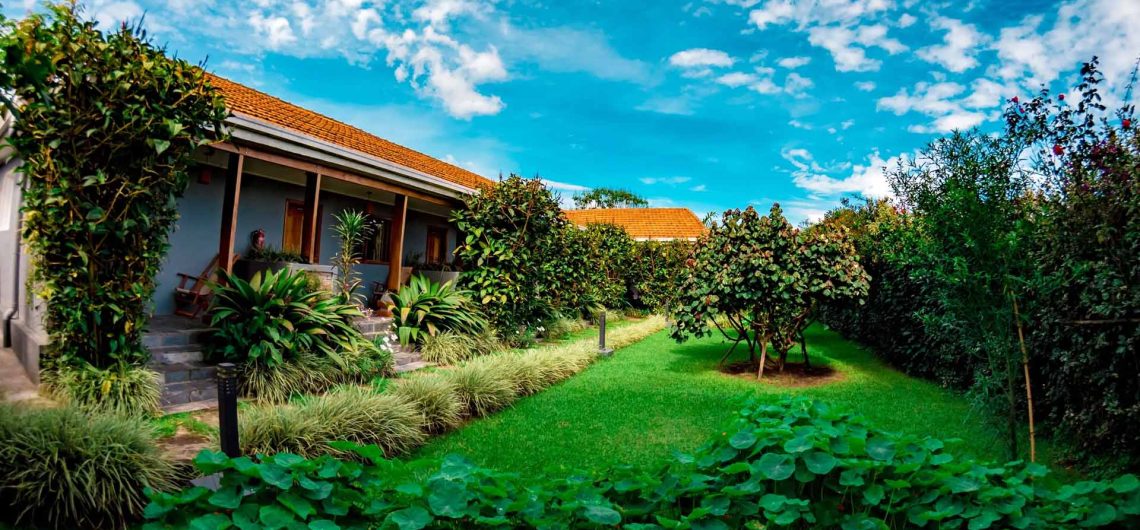
Poised to become one of Rwanda’s major cities, Musanze’s strategic location in the foothills of the Virunga Massif is attractive to tourism, business and agriculture, with notably fertile land in the surrounding region.
Set at an altitude of 1,850m, the city is a convenient base for gorilla tracking, with the Kinigi headquarters 13km away. For those keen to stay closer to the edge of the Volcanoes National Park, there are various boutique lodges along its fringes with spectacular views and a more rural setting.
Musanze is a hassle-free and buzzing city, with plenty of choice for eating out, ATMs to withdraw cash, vibrant nightlife, markets and artisanal trades.
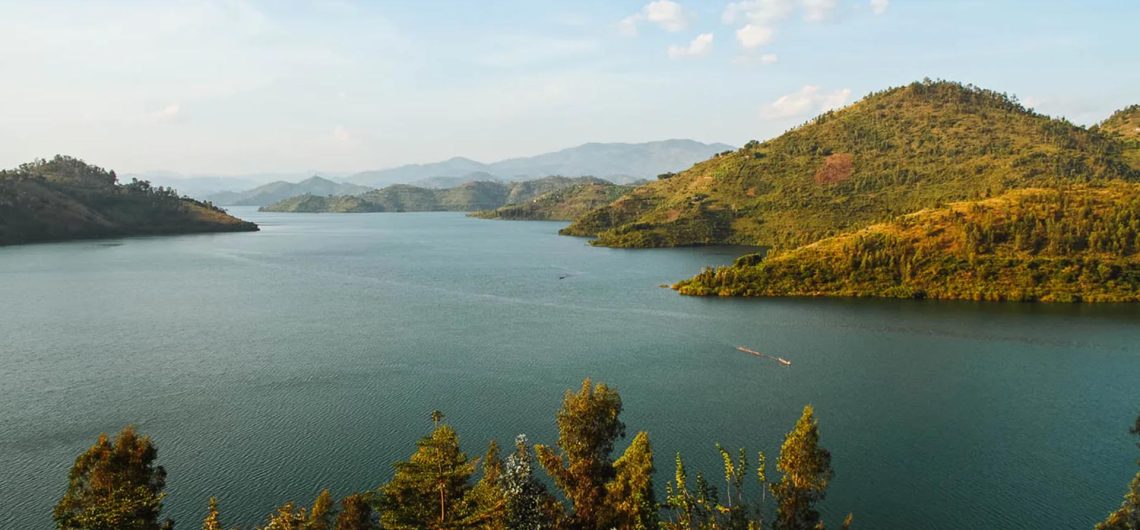
Part of Africa’s Great Rift Valley, Lake Kivu in the west of Rwanda is surrounded by magnificent mountains and has deep emerald green waters covering a surface area of 2,700 km2. It is Rwanda’s largest lake and the sixth largest in Africa.
Rubavu – previously known as Gisenyi – is a large town on the northern edge of Lake Kivu, an hour’s drive from Volcanoes National Park and the perfect place to relax after gorilla trekking. Once a colonial beach resort of note, Rubavu’s waterfront is lined with fading old mansions, hotels and trendy bars on the lakeshore, ideal for sundowner cocktails.
Karongi, half way along the lake, is a popular beach resort with hillsides covered in pines and eucalyptus serve as a backdrop to the sparkling lake. At dawn and dusk, the sound of local fisherman singing carries across the water as they paddle in unison.
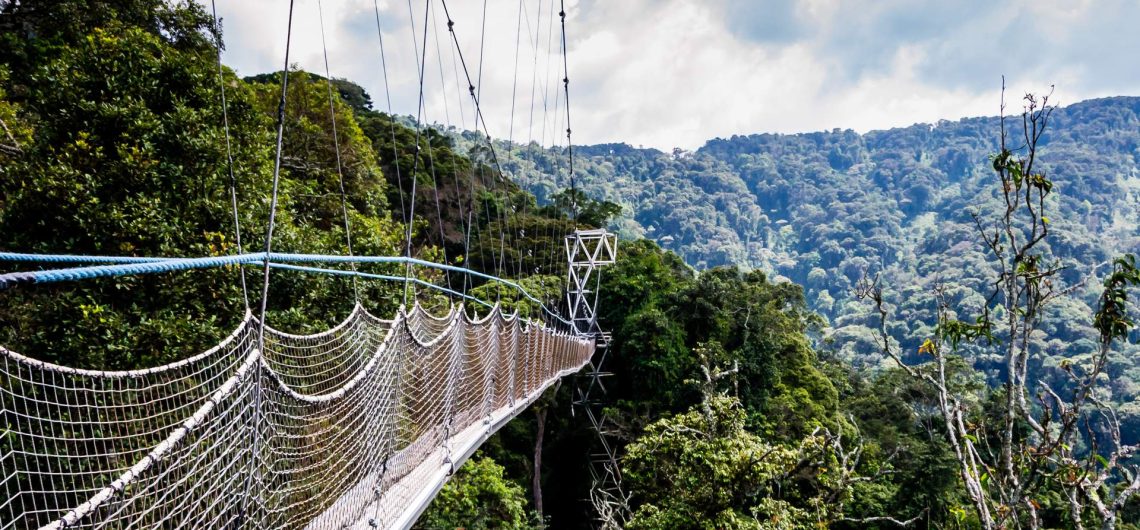
One of the oldest rainforests in Africa, Nyungwe is rich in biodiversity and spectacularly beautiful. The mountainous region is teaming with wildlife, including a small population of chimpanzees as well as 12 other species of primate, including the L’Hoest’s monkey endemic to the Albertine Rift.With 15 trails, some of which are detailed here, along with various other activities, visitors can choose to sample the delights of the forest or indulge themselves for a week or more in one of Africa’s most stunning forests.
Primate tracking tops most visitor’s list, but it’s worth lingering a little longer for those with time to relax and take in the primal atmosphere.
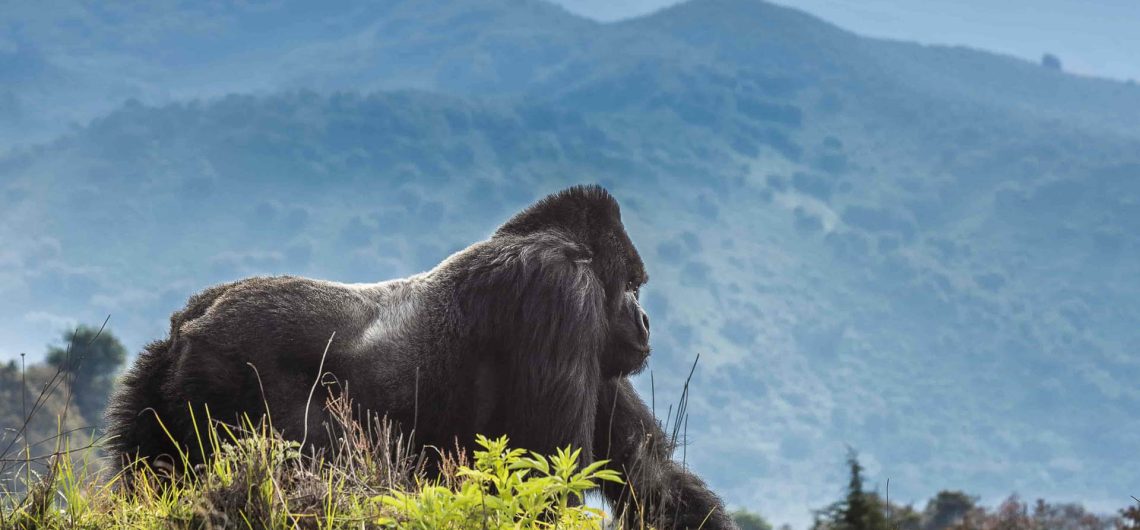
Situated in the far northwest of Rwanda, Volcanoes National Park protects the steep slopes of this magnificent mountain range – home of the endangered mountain gorilla and a rich mosaic of montane ecosystems, which embrace evergreen and bamboo forest, open grassland, swamp and heath.Volcanoes National Park is named after the chain of dormant volcanoes making up the Virunga Massif: Karisimbi – the highest at 4,507m, Bisoke with its verdant crater lake, Sabinyo, Gahinga and Muhabura.Tracking endangered mountain gorillas through the mysterious intimacy of the rain forest, alive with the calls of 200 species of colorful birds and chattering of the rare golden monkey, is only one of the truly unique experiences in the area.