Exciting East African Tours Blog

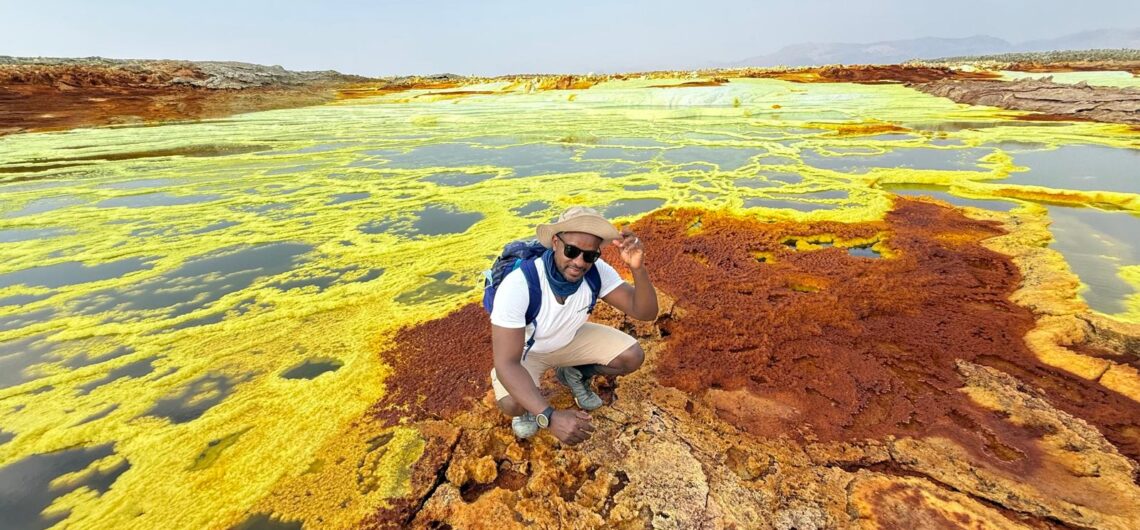
One of the most extraordinary destinations I visited this past year was the Danakil Depression in northeastern Ethiopia. Exploring Dallol felt like stepping onto another planet. The landscape was painted in brilliant shades of yellow, green, orange, and red, created by salt deposits, minerals, and geothermal activity. I had never experienced anything so unusual, dramatic, and naturally beautiful.

Dallol features extremely acidic sulfur springs and bubbling hydrothermal pools. Underground heat associated with magma warms highly concentrated brine, producing water temperatures that can reach approximately 109°C (228°F). Some pools have a pH near or even below zero, making this one of the most extreme natural environments on Earth. Sulfur, salt, iron, and other mineral deposits create the landscape’s vivid neon colors, while hazardous gases such as sulfur dioxide and hydrogen sulfide make it essential to explore the area with an experienced local guide.

Traveling through Ethiopia’s Afar region was challenging because of the intense heat and remote environment, but that made the experience even more rewarding. Standing among Dallol’s colorful mineral formations and steaming geothermal springs was a moment I will never forget. The Danakil Depression is truly one of the world’s most extraordinary natural wonders—a destination every adventurous traveler should experience at least once.

At Exciting African Tours, we are proud to introduce travelers to remarkable African destinations like the Danakil Depression. This journey is much more than a vacation; it is an unforgettable adventure into one of the most fascinating landscapes on Earth.
One of the greatest safari experiences of my life took place last year in Serengeti National Park, Tanzania, one of the world’s most extraordinary wildlife destinations.

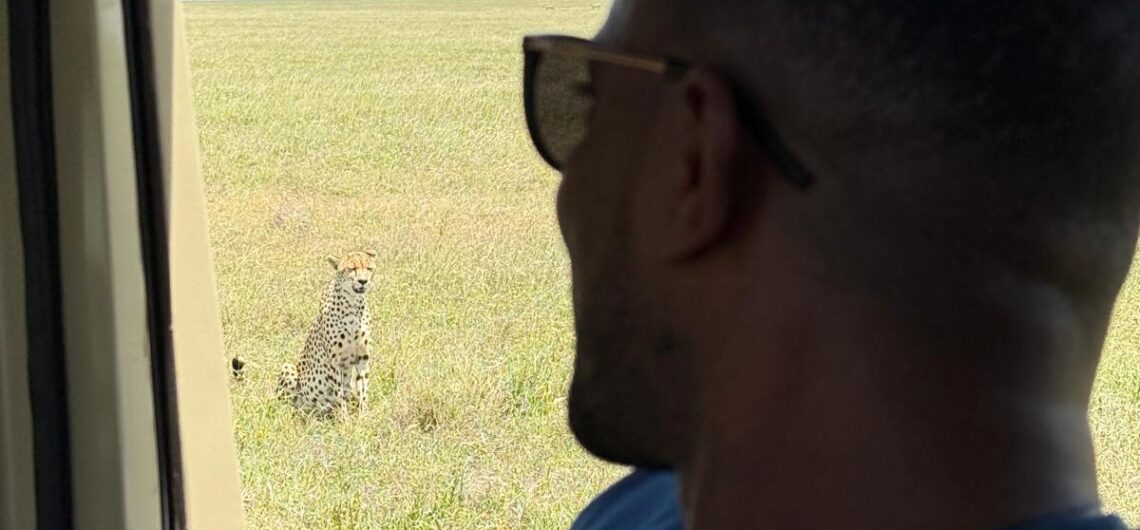
As our safari vehicle moved across the endless golden plains, we encountered this beautiful cheetah resting peacefully in the grass. Seeing such a magnificent animal in its natural habitat, and from such a close but safe distance, was breathtaking. For a few unforgettable moments, the cheetah and I quietly watched each other through the open window of the vehicle.

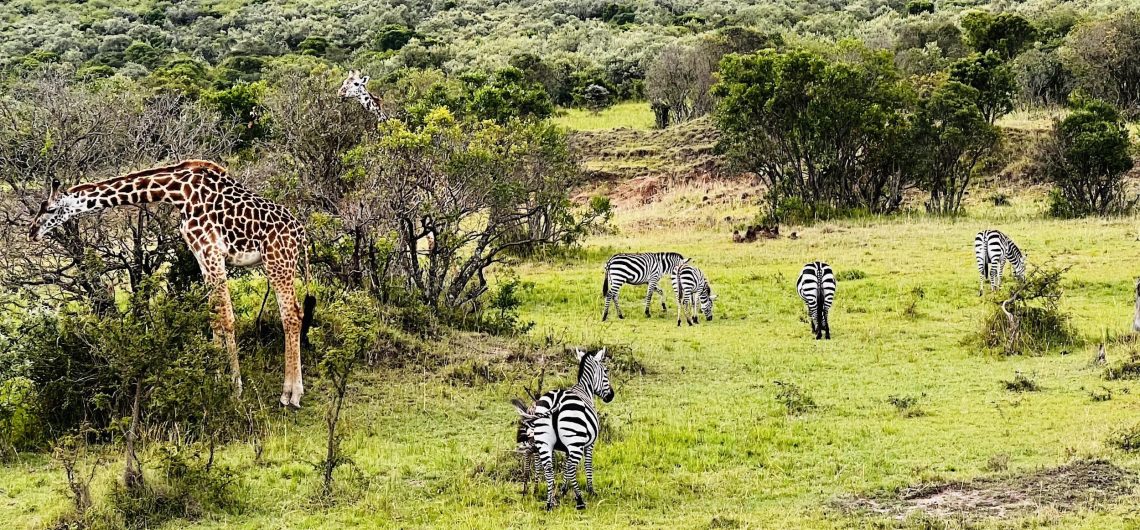
This photograph captures what makes the Serengeti so special. Every game drive brings a new surprise: cheetahs scanning the plains, lions resting beneath acacia trees, elephants traveling together and enormous herds following the Great Migration. The Serengeti is not simply a place to observe wildlife, it is a place where travelers feel deeply connected to nature.

At Exciting African Tours, we are proud to introduce our guests to world-class destinations like the Serengeti. Our locally guided safaris are designed to create safe, authentic and unforgettable African experiences.

A Serengeti safari is more than a vacation. It is a journey filled with powerful moments and memories that remain with you for a lifetime.

Travel with Exciting African Tours and experience the wild heart of Tanzania.

Kavango Delta Oasis:

As part of the Okavango Delta, Moremi Game Reserve boasts an unparalleled natural setting characterized by meandering waterways, lush floodplains, and dense woodlands. The seasonal ebb and flow of the delta’s waters create a dynamic ecosystem, attracting an abundance of wildlife throughout the year.

Moremi Game Reserve is celebrated for its remarkable biodiversity, encompassing a diverse range of habitats including mopane woodland, acacia forests, savannah grasslands, and permanent water channels. This variety of ecosystems supports a rich tapestry of wildlife, from iconic African mammals to an array of bird species.

Venturing into Moremi Game Reserve offers unparalleled opportunities for wildlife encounters, with the chance to spot Africa’s Big Five—lion, leopard, elephant, buffalo, and rhinoceros—alongside other notable species such as giraffes, zebras, cheetahs, and hyenas. The reserve is also a haven for birdwatchers, with over 500 bird species recorded within its boundaries.

Moremi Game Reserve is committed to conservation and sustainable tourism practices, ensuring the protection of its pristine environment and the welfare of its resident wildlife. By promoting responsible tourism initiatives, the reserve strives to balance conservation efforts with the needs of local communities and visitors alike.

A visit to Moremi Game Reserve offers a glimpse into the untamed beauty of the Okavango Delta and the remarkable diversity of Botswana’s wildlife. Whether seeking close encounters with iconic species or simply basking in the serenity of the African bush, Moremi promises an unforgettable safari experience unlike any other.

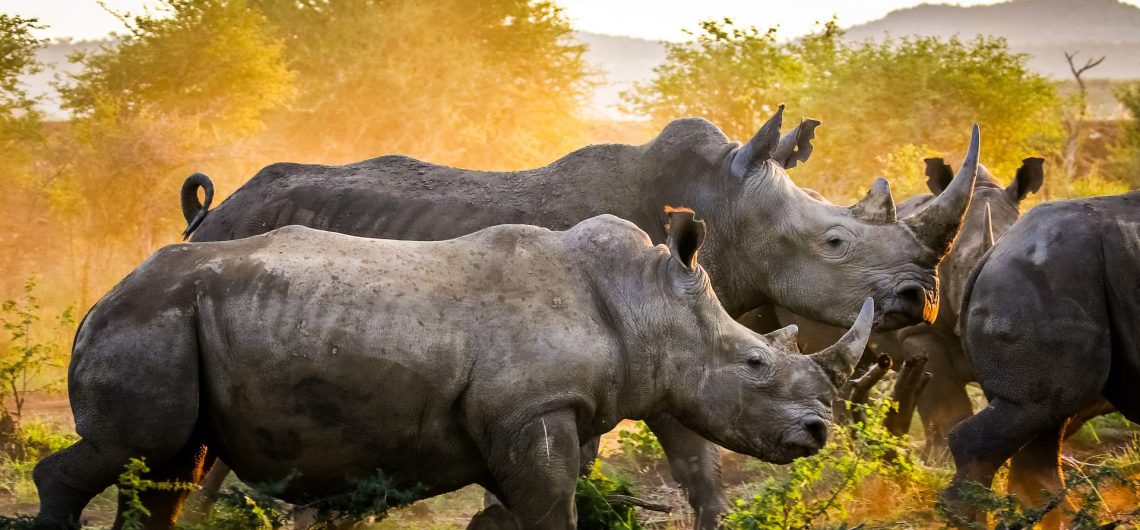
The Khama Rhino Sanctuary stands as a testament to Botswana’s commitment to wildlife conservation, particularly the protection of its rhinoceros population. Located in the Serowe District, this sanctuary provides a safe haven for both black and white rhinos, allowing them to thrive in their natural habitat.

Dedicated to safeguarding these magnificent creatures, the Khama Rhino Sanctuary implements various conservation initiatives aimed at preserving rhino populations for future generations. Through rigorous anti-poaching measures and habitat restoration efforts, the sanctuary plays a crucial role in ensuring the survival of these endangered species.

Visitors to the Khama Rhino Sanctuary can embark on guided game drives and nature walks, offering unique opportunities to observe rhinos and other wildlife in their natural environment. Knowledgeable guides provide insights into the sanctuary’s conservation efforts and the behaviors of its resident animals, enhancing the visitor experience.

Immerse yourself in the tranquility of the sanctuary as you traverse its diverse landscapes, ranging from open grasslands to wooded areas and rocky outcrops. Keep your eyes peeled for sightings of not only rhinos but also other iconic African species such as giraffes, zebras, and various antelope species.

The Khama Rhino Sanctuary also serves as an educational hub, offering visitors the chance to learn about rhino conservation and the broader ecosystem. Interactive exhibits and informative presentations shed light on the challenges facing rhinos and the importance of preserving their natural habitats.

Whether you’re a wildlife enthusiast, nature lover, or conservation advocate, a visit to the Khama Rhino Sanctuary provides a meaningful and enriching experience. By supporting conservation efforts and promoting environmental awareness, the sanctuary plays a vital role in safeguarding Botswana’s natural heritage for generations to come.

Gaborone, the capital city of Botswana, serves as a vibrant hub blending modern amenities with traditional charm. Nestled in the southern part of the country, Gaborone offers visitors a fascinating glimpse into Botswana’s rich culture and history.

Key Attractions:

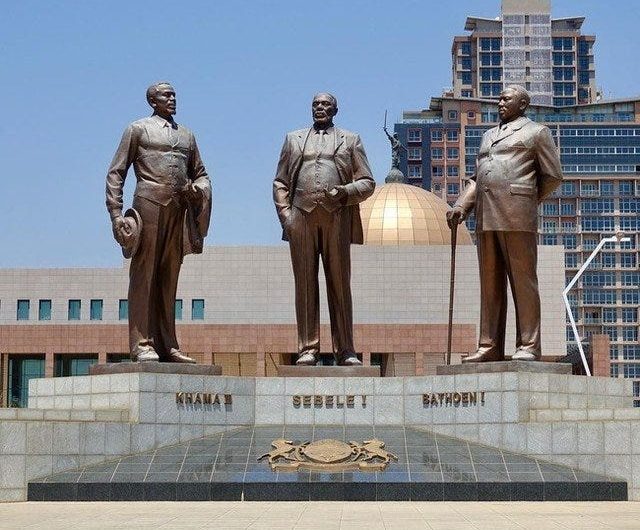
Three Dikgosi Monument: This iconic monument pays homage to three revered tribal chiefs – Khama III of the Bangwato, Sebele I of the Bakwena, and Bathoen I of the Bangwaketse – who played pivotal roles in Botswana’s history. The monument stands as a symbol of unity and leadership, commemorating the country’s journey towards independence.

National Museum and Art Gallery: Immerse yourself in Botswana’s diverse heritage at the National Museum and Art Gallery. Explore fascinating exhibits showcasing archaeological artifacts, traditional crafts, and contemporary artworks that highlight the country’s cultural evolution. Gain insights into Botswana’s history, from ancient civilizations to modern-day achievements, through engaging displays and interactive experiences.

Beyond its historical landmarks, Gaborone offers visitors a myriad of experiences to enjoy. Wander through bustling markets, where vendors sell colorful textiles, handmade crafts, and fresh produce, providing a glimpse into daily life in Botswana. Sample traditional cuisine at local eateries, savoring flavorful dishes such as seswaa (slow-cooked beef) and bogobe (maize porridge).

Discover the city’s modern side with its sleek shopping malls, trendy cafes, and lively entertainment venues. Stroll along the Gaborone Dam, a scenic reservoir perfect for picnics and leisurely walks, or venture into nearby nature reserves to observe Botswana’s abundant wildlife.

Whether you’re drawn to its historic landmarks, cultural attractions, or contemporary offerings, Gaborone invites you to explore its dynamic blend of past and present, making it a captivating destination in Botswana.

Kruger National Park is one of the best game reserves in Africa, and one of the oldest in South Africa. If you’re a wildlife lover, this famous park definitely needs to be on your South Africa itinerary.

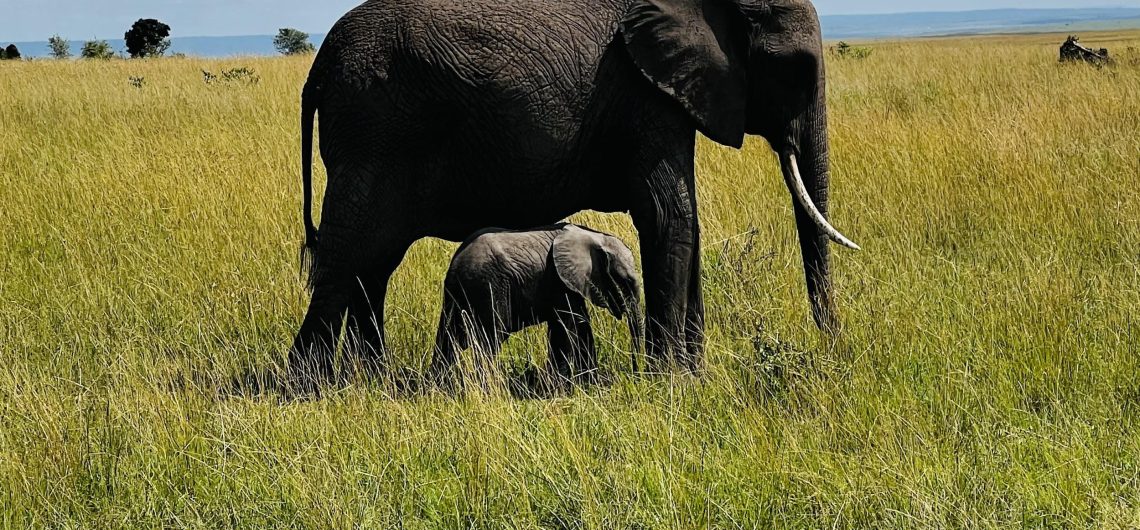
The park lies about a 3.5- to 4.5-hour drive from Johannesburg and offers visitors the chance to see the “Big Five”: lion, leopard, buffalo, elephant, and rhino, as well as an astounding diversity of other wildlife. It’s also home to San (bushman) rock paintings and archaeological sites.

You can explore Kruger National Park on the large network of sealed roads; organize a walking safari; or soar over the vast grasslands, gallery forests, and river systems in a hot air balloon.

One of the best things about Kruger National Park is that the accommodation caters to all budgets – you can stay in basic campsites, book a thatched bungalow, or relax in a luxury lodge.

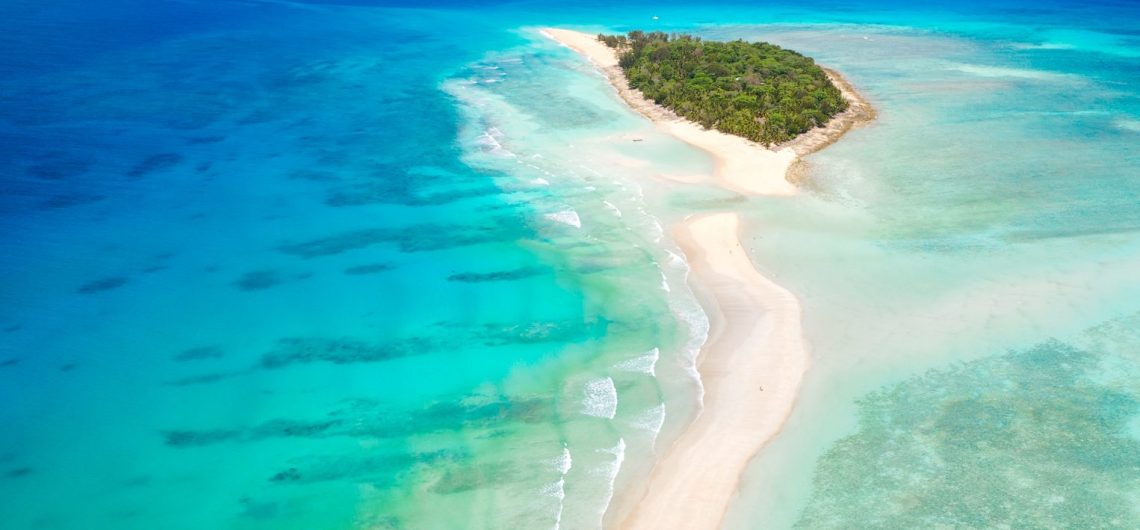
The small island of Nosy Be is one of Madagascar’s premier tourist spots attracting thousands of tourists from across the globe year round. Although Nosy Be’s beaches don’t look as picture perfect as some other tropical beaches, they do win points for tranquility, clear turquoise water and excellent seafood restaurants serving seafood diner on the sand.

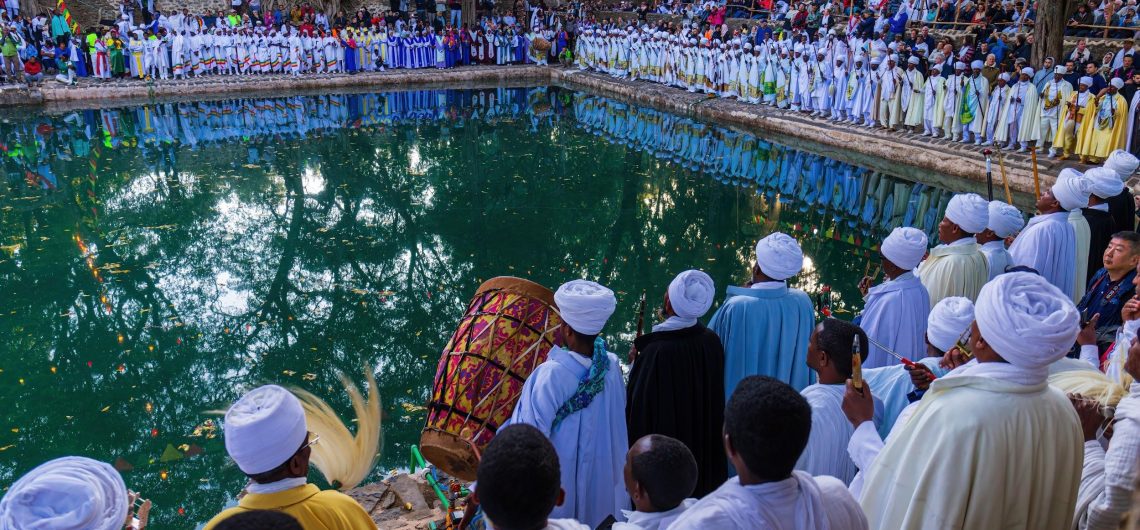
King Fasiladas officially founded Gondar in 1632. It was this Gondarine period that is considered to be the third major dynasty after the Axumite and Zagwe dynasties. The dynasty is historically important for the introduction of a permanent capital. Gondar’s 17th century castles reflect the strong dynasty and the power of progressive rulers. Seven of the dynasty’s kings had their own castles built to show their power and independent, efficient ruling styles. The city’s main imperial precinct, known as the Royal Enclosure, covers an area of 7.7 hectares and contains five castles raised walkways and connecting tunnels surrounded by high stone walls. The oldest of these is the Castle of Fasiledes, built of stone in the mid-17th century. His castle reflects a number of influences, mainly Axumite, Portuguese and Indian. The tower offers divine panoramic views, even Lake Tana is visible on a clear day. Gondar is especially significant to the Ethiopian Orthodox community and considered a pinnacle of religious centers across the country. Among the churches in town, Debre Berhan Selassie is famous for its typical Gondarine style and extraordinary ceiling. Timket Festival Timket Festival is celebrated on the 19th or 20th of January. It is an Ethiopian Orthodox ceremony that celebrates the Baptism of Jesus in the Jordan River. It is most commonly celebrated in Gondar and Lalibela. During the ceremonies of Timket, the Tabot, a model of the Ark of the Covenant, which is present on every Ethiopian altar (somewhat like the Western altarstone), is reverently wrapped in rich cloth and born in procession on the head of the priest. The Tabot, which is otherwise rarely seen by the laity, represents the manifestation of Jesus as the Messiah when he came to the Jordan for baptism. The Divine Liturgy is celebrated near a stream or pool early in the morning (around 2 a.m.). Then the nearby body of water is blessed towards dawn and sprinkled on the participants, some of whom enter the water and immerse themselves, symbolically renewing their baptismal vows. But the festival does not end there; Donald Levine describes a typical celebration of the early 1960s.