Author: eatours

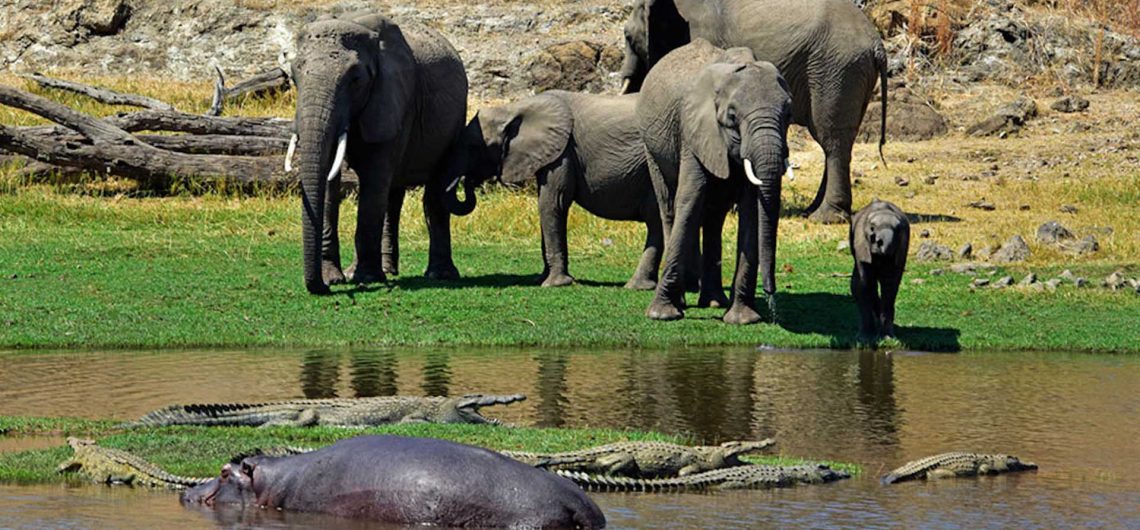
Tanzania’s largest National Park, Ruaha is a wilder and more remote park than its southern neighbour Selous Game Reserve and ultimately has the better wildlife, albeit without boating safaris. We love this park! Safaris here are some of the best you will find in the country and are superb value for money. It is a wild and authentic environment that remains relatively untouched.

One of Tanzania’s best-kept (and more affordable) secrets, Ruaha is a particularly good complement and contrast to the Selous, although it would be a great addition to any Tanzania safari. The lion viewing around the Mwagusi area is especially rewarding and general predator concentrations across the park are better than many of the other parks in the country. Overall it is an absolutely excellent safari destination.

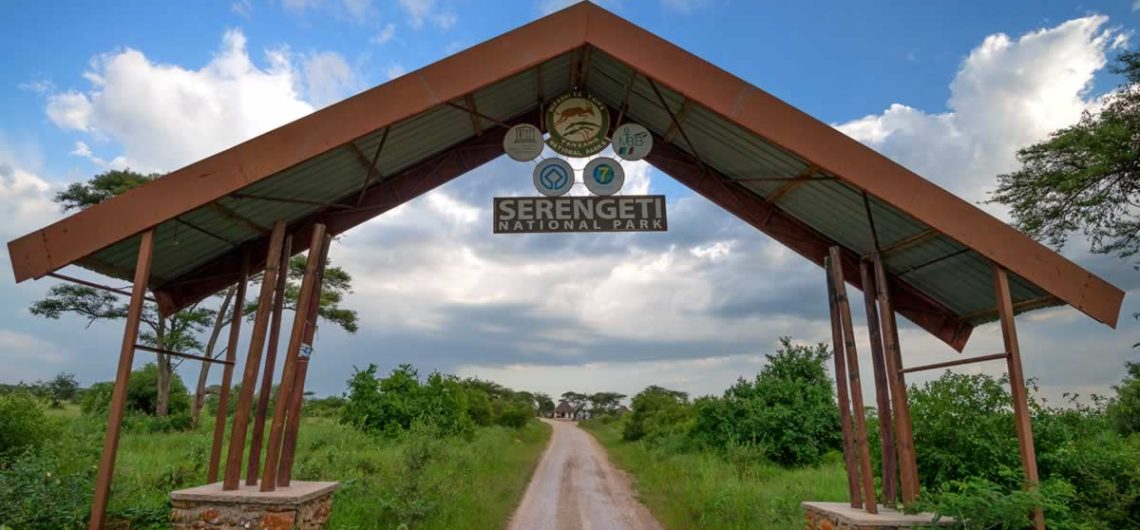
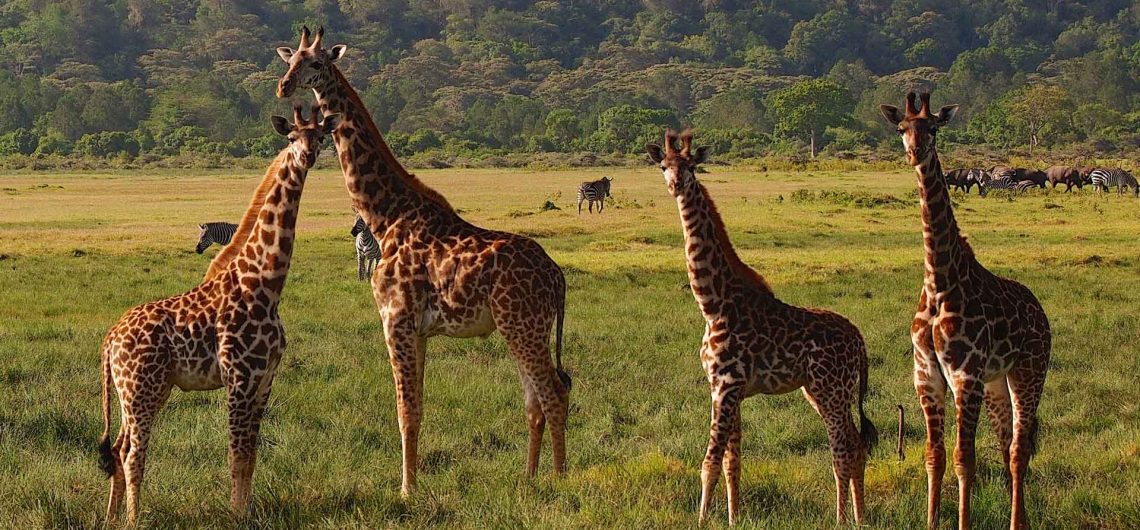
Serengeti National Park is undoubtedly the best-known wildlife sanctuary in the world, unequalled for its natural beauty and scientific value, it has the greatest concentration of plains game in Africa.

The Serengeti ecosystem is one of the oldest on earth. The essential features of climate, vegetation and fauna have barely changed in the past million years. Early man himself made an appearance in Olduvai Gorge about two million years ago. Some patterns of life, death, adaptation and migration are as old as the hills themselves.

The Wildebeest travel through a variety of parks, reserves and protected areas and through a variety of habitat. Join us to explore the different forms of vegetation and landscapes of the Serengeti ecosystem and meet

It is a popular destination for day trip visitors who are about to embark from the town of Arusha on longer northern circuit safaris. The small national park includes the slopes, summit, and ash cone of Mt. Meru, the Momela Lakes, Ngurdoto Crater, and the lush highland forests that blanket its lower slopes. Game viewing around the Momela Lakes is at a laid-back and quiet pace, and while passing through the forest many visitors stop to search for troupes of rare colubus monkeys playing in the canopy.

Climbing Mt. Meru or enjoying the smaller trails that criss-cross its lower slopes is a popular activity for visitors to Arusha National Park. The three-day trek to reach the crater’s summit is a quieter, and some say more challenging alternative than the famous peak of nearby Mount Kilimanjaro. Along the lower slopes, the paths to rivers and waterfalls create a relaxing day hike for visitors who don’t want to attempt the rather arduous climb. Ancient fig tree forests, crystal clear waters cascading from mountain streams, and a chance to spot colobus monkeys are the attractions and pleasures of Arusha National Park.

The equatorial snow peaks include the third highest point in Africa, while the lower slopes are blanketed in moorland, bamboo and rich, moist montane forest. The national park hosts 70 mammals and 217 bird species including 19 Albertine Rift endemics, as well as some of the world’s rarest vegetation.

Queen Elizabeth of England opened Queen Elizabeth national park in 1954, and this park is located in the Southwestern part of Uganda shared by districts of Kasese, Bushenyi and Rukungiri. The headquarters of Queen Elizabeth National Park in Mweya can be reached through Fort portal to Kasese about 440 kilometers or Mbarara just about 425 kilometers and both way can be traveled between 6-7 hours. For those who want to travel by air a private charter flight can be arranged for you to Kasese airstrip where a transfer to the park can be made.

This park is considered the second national park covering about 1978sqkm and the most popular visited national park in Uganda. It’s recorded that the park is a home to over 95 mammal species the highest for any Ugandan national park. The park host the big five species such as elephants, leopard, buffaloes, hippos, the famous tree climbing lions others include the Uganda kob, the rare giant Hog and a number of antelope species, as well as chimpanzees, baboons, Black and white Colobus Monkeys among other primates.

This is the largest of the ten national parks Uganda has and it covers an area of about 3,893 sq. kilometers. From Kampala to Murchison Falls it takes about 5-6 hours through Luweero via Nakasongola and Masindi District or through Kiboga via Hoima and Masindi. The park is one of the most spectacular parks in all of Africa. Its well known for its rolling savannah, wetland, as well as tropical forest and the stunning falls, the park has plenty of flora and fauna with over 70 mammal species, over 445 different species of birds, 250 species of butterflies, 10 of primate species and more than 450 species of plant.

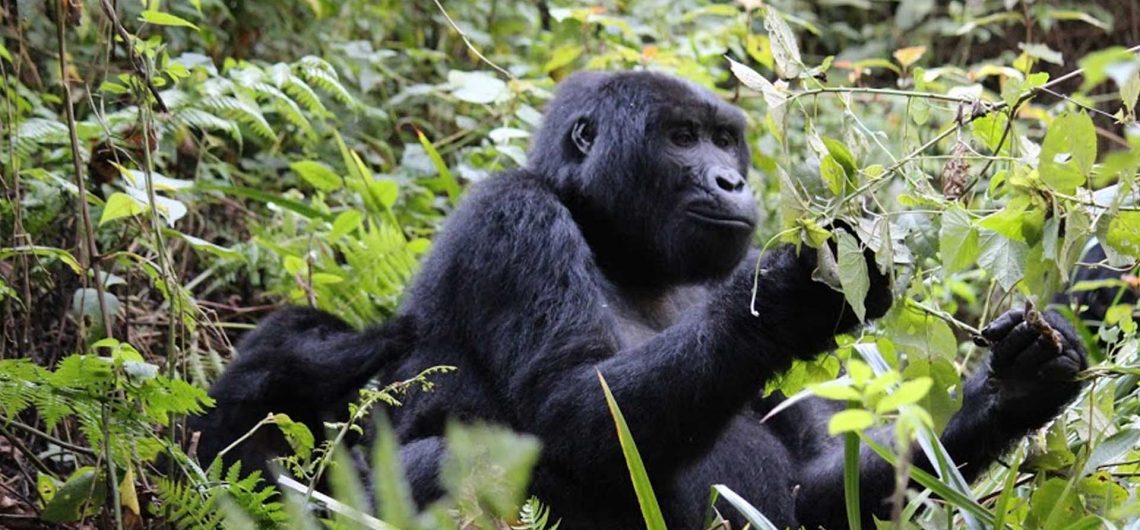
Bwindi Impenetrable National Park lies in southwestern Uganda on the edge of the Rift Valley. Its mist-covered hillsides are blanketed by one of Uganda’s oldest and most biologically diverse rainforests, which dates back over 25,000 years and contains almost 400 species of plants. This biologically diverse region also provides shelter to a further 120 mammals, including several primate species such as baboons and chimpanzees, as well as elephants and antelopes.

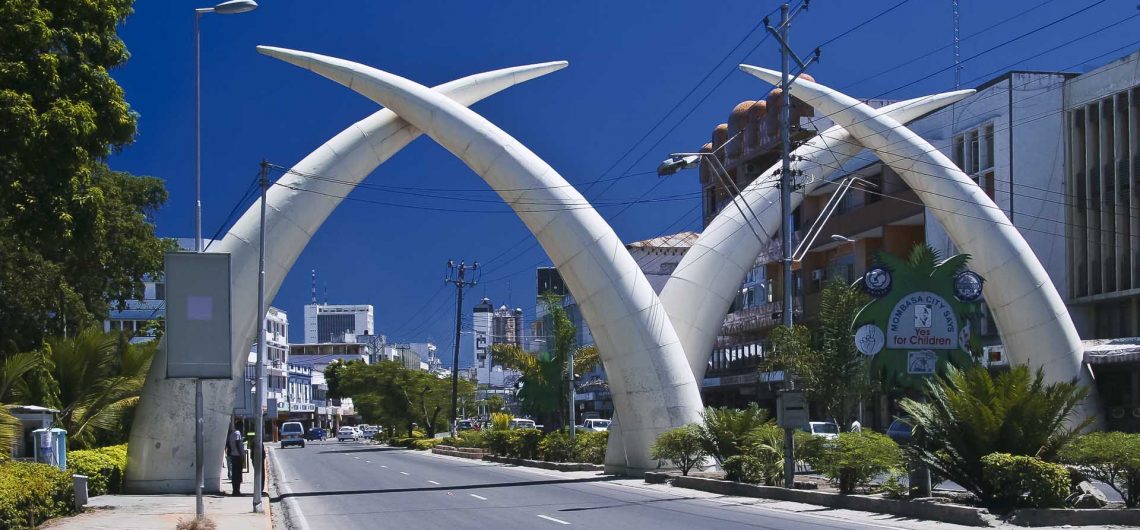
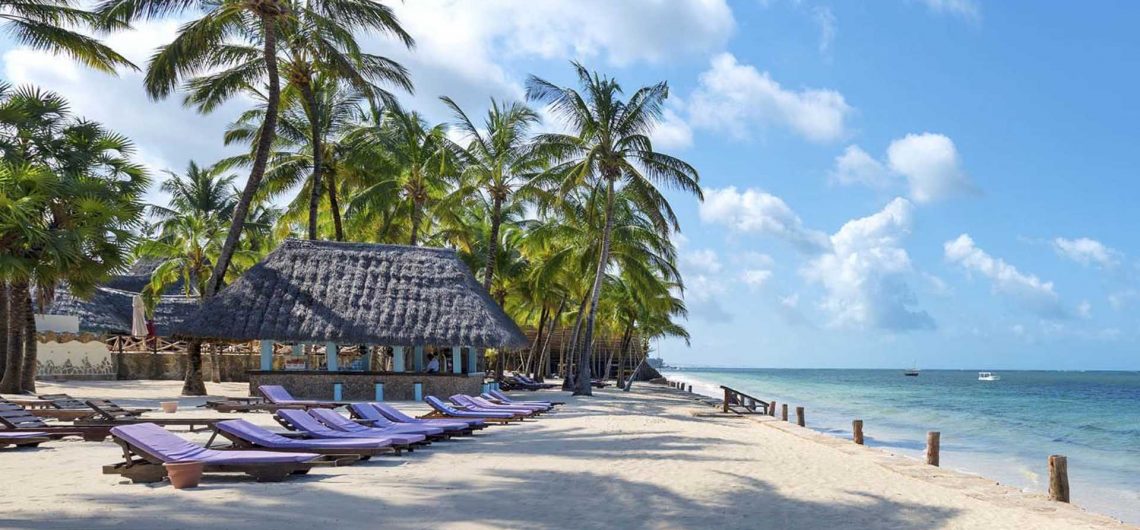
Mombasa is Kenya’s main tourist destination. It is located on the Eastern coastline of Kenya bordering the Indian Ocean, which has made it a popular destination for its beaches. Mombasa offers diverse marine life, world-class hotels and a friendly atmosphere.

There is a tropical climate all year; it is a great destination filled with activities for all ages. While in Mombasa have several tourist attractions such as Old Town, located around Fort Jesus. Colobus Trust nature walks, Mtwapa Creek, Nyali Theatre, Haller Park, Avicennia Island, Go-Kart, Shimba Hills National Park, enjoy the famous nightlife of Mombasa.

The small town of Malindi is at the centre of a strip of idyllic tropical beaches offering the visitor a range of world class resorts and quiet relaxing hideaways. Further south, the sleepy village of Watamu is fronted by wide white beaches. This tranquil haven is home to several well established resorts, and many private guesthouses scattered through the forest along the deserted shore.

At Watamu a Marine National Park has been established, an ideal day trip for divers and snorkellers alike. Northwest of Malindi is the spectacular Marafa Depression, locally known as Nyari and popularly known as Hell’s Kitchen. An extensive series of sandstone gorges and sheer gullies, this unique and otherworldly landscape has become part of local folklore.

The thick jungles of the Arabuko Sokoke Forest reserve hide a world of wonders. In the cool of the forest winding paths will take you in search of rare endemic birds and mammals, and visiting herds of Elephant.

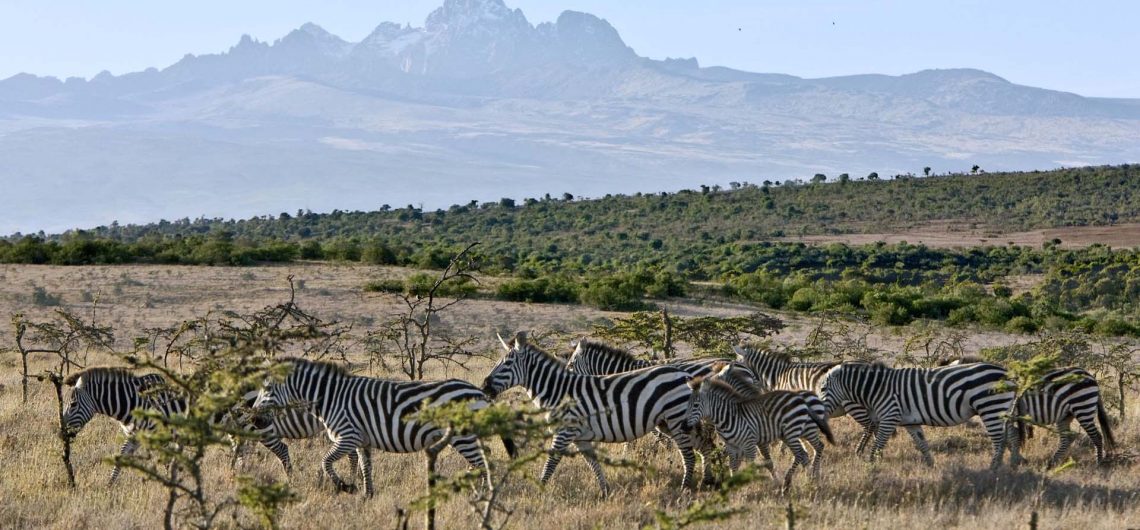
Mount Kenya is the second tallest mountain in Africa. The scenery surrounding this designated World Heritage Site is breath-taking. It is pristine wilderness with lakes, tarns, glaciers, dense forest, mineral springs and a selection of rare and endangered species of animals, high altitude adapted plains game and unique montane and alpine vegetation. There is lots of flora and fauna, and the opportunity to see elephants and lions in a compelling highland environment.

Due to its unique ecosystems that change the higher you go up the mountain, Mount Kenya has been designated a UNESCO World Heritage Site and Biosphere Reserve. Many climbers, hikers, trekkers and adventure enthusiasts challenge themselves by ascending the mountain each year.